Mastering Corned Beef Brisket: Top Recipes for Every Occasion
Corned beef brisket, with its rich history and unmistakable flavor, is a culinary star that transcends its traditional St. Patrick's Day association. From succulent slow-cooked dinners to inventive leftover creations, mastering this versatile cut opens up a world of delicious possibilities. This guide will walk you through the journey of preparing, cooking, and transforming corned beef brisket into memorable meals, ensuring you have the best corned beef recipes at your fingertips.Understanding Corned Beef Brisket: The Foundation of Flavor
Before diving into specific preparations, it’s essential to understand what corned beef brisket truly is. Corned beef is typically made from the brisket cut of beef, which is a tough but flavorful cut from the chest area of the cow. The "corning" process involves curing the meat in a salt brine, often flavored with pickling spices like mustard seeds, bay leaves, peppercorns, and allspice. This curing process tenderizes the meat and infuses it with its characteristic savory, tangy flavor. There are generally two types of brisket cuts you might encounter for corned beef:- Flat Cut (First Cut): Leaner and more uniform in thickness, making it ideal for slicing and presentation.
- Point Cut (Second Cut): Fattier and more marbled, which results in a more tender and flavorful outcome, though it can be less uniform for slicing.
The Art of Slow Cooking: Classic Corned Beef & Cabbage
The most beloved method for preparing corned beef brisket is undoubtedly slow cooking, whether in a Crockpot, Dutch oven, or oven. This method is perfectly suited for brisket, breaking down its tough fibers into fork-tender perfection while allowing the flavors to meld beautifully. For a quintessential slow-cooked corned beef and cabbage, consider this general approach:- Preparation: Rinse your corned beef brisket thoroughly. Place it fat-side up in your slow cooker or a large pot. This allows the fat to baste the meat as it cooks, keeping it moist.
- Flavor Base: Add the spice packet that came with your brisket. You can also add aromatics like a quartered onion, a few cloves of garlic, and additional bay leaves if desired.
- Liquid: Pour in enough liquid to partially submerge the brisket. Water is fine, but you can also use beef broth, a light beer (like Guinness or lager), or even hard cider for added depth of flavor.
- Cooking Time: Cook on low for 6-8 hours or on high for 3-4 hours, or until the brisket is incredibly tender. The exact time will depend on the size of your brisket and your cooker.
- Adding Vegetables: About 1-2 hours before the brisket is done, add your vegetables. Traditional choices include chunks of potatoes, carrots, and onions. The cabbage should be added even later, typically during the last 30-60 minutes, to ensure it’s tender but not mushy.
Beyond the Classic: Innovative Corned Beef Brisket Creations
While the traditional corned beef and cabbage is a masterpiece, the versatility of corned beef brisket truly shines when you explore other culinary avenues. Don't let leftover corned beef go to waste – it's a treasure trove for inventive and delicious meals!Here are some creative ways to enjoy corned beef beyond the initial feast:
- The Legendary Reuben Sandwich: Perhaps the most famous use for leftover corned beef. Thinly sliced corned beef, Swiss cheese, sauerkraut, and Russian dressing piled high on grilled rye bread make for an unforgettable sandwich. Grilling it to a golden brown ensures the cheese is perfectly melted and the bread is crisp.
- Hearty Corned Beef Hash: A breakfast or brunch favorite. Dice cooked corned beef, mix it with diced potatoes (boiled or roasted), onions, and bell peppers. Sauté until crispy, then serve with a fried egg on top. The contrast of the crispy hash with a runny yolk is simply divine.
- Corned Beef Sliders: For a party-friendly option, shred or finely dice leftover corned beef and mix with a little BBQ sauce or a creamy dressing. Serve on mini buns with a slice of Swiss or provolone cheese. A quick bake or toast can melt the cheese and warm the sliders through.
- Corned Beef Tacos or Quesadillas: Embrace a fusion approach! Shredded corned beef makes a fantastic filling for tacos, especially when paired with a tangy slaw or a creamy avocado sauce. Alternatively, layer it with cheese in a tortilla for a savory quesadilla.
- Corned Beef Stuffed Peppers: Mix diced corned beef with cooked rice, a little tomato sauce, and spices, then stuff into bell peppers and bake until tender. It's a comforting and complete meal in one package.
Perfecting Your Platter: Carving and Serving Tips
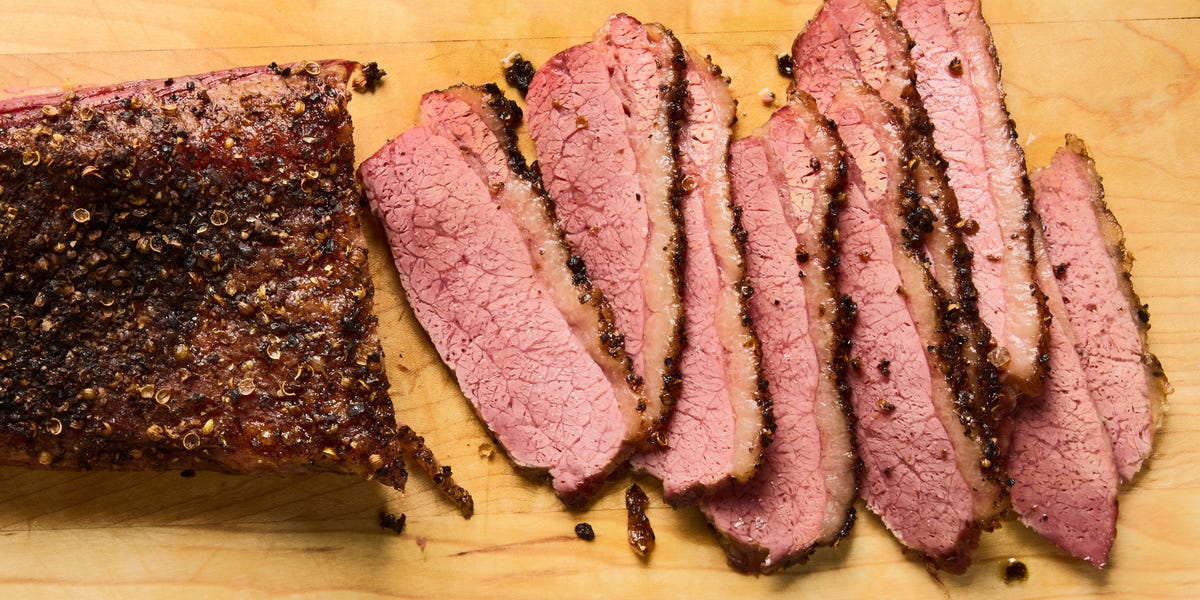
The final step in mastering corned beef brisket is serving it beautifully, and that starts with proper carving. Carving against the grain is crucial for tenderness, regardless of how perfectly you've cooked it.Follow these steps for optimal carving:
- Rest the Meat: After removing the brisket from the cooking liquid, let it rest for at least 10-15 minutes on a cutting board, loosely tented with foil. This allows the juices to redistribute, resulting in a more tender and flavorful slice.
- Identify the Grain: The "grain" refers to the direction of the muscle fibers. It's essential to cut perpendicular to these lines. With brisket, the grain can sometimes change direction, especially between the flat and point cuts. Take a moment to examine the cooked brisket and identify the dominant grain.
- Slice Against the Grain: Using a sharp carving knife, slice the corned beef thinly, against the direction of the muscle fibers. This shortens the fibers, making each bite more tender and easier to chew. For a comprehensive visual guide and more advanced techniques, refer to How to Carve Corned Beef Perfectly: A Guide.
In conclusion, mastering corned beef brisket is a rewarding culinary endeavor that brings warmth and flavor to any table. From the initial brine to the final, perfectly carved slice, each step contributes to a memorable dining experience. Whether you stick to the beloved classic corned beef and cabbage or venture into creative leftover territory with Reubens or hash, the versatility and deliciousness of corned beef make it a dish worth celebrating year-round. So, embrace these top corned beef recipes, experiment with different preparations, and enjoy the rich tradition and incredible taste of this culinary staple.