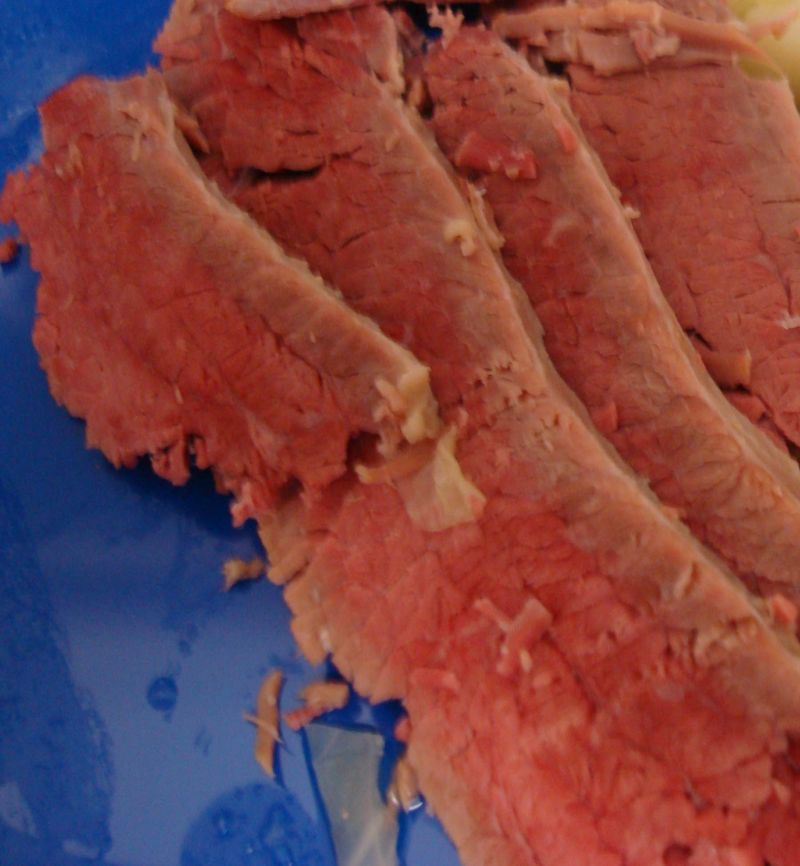
How to Carve Corned Beef Perfectly: A Guide to Tender Slices Every Time
There's nothing quite like a perfectly cooked corned beef brisket. Whether it's the centerpiece of a festive St. Patrick's Day feast or a comforting Sunday dinner, its savory flavor and tender texture are universally loved. But even the most expertly prepared corned beef can be ruined by improper carving. Carving isn't just about slicing; it's an art that significantly impacts the tenderness and overall enjoyment of your meal. If you've spent hours meticulously preparing your Mastering Corned Beef Brisket: Top Recipes, you owe it to yourself – and your diners – to finish the job right.
This comprehensive guide will walk you through the essential steps, tools, and techniques for carving corned beef like a pro, ensuring every slice is melt-in-your-mouth tender. Forget chewy, stringy slices; we’re here to elevate your corned beef experience from good to absolutely legendary. Master this technique, and you'll unlock the true potential of all your favorite Easy Corned Beef & Cabbage Crockpot Recipes and beyond.
Why Perfect Carving Matters for Corned Beef
The secret to tender corned beef lies in understanding the "grain" of the meat. Corned beef is typically made from brisket, a cut known for its long, muscle fibers that run in a particular direction. These fibers, when cooked, can become tough and chewy if not handled correctly. Carving against the grain means slicing perpendicularly to these fibers. When you cut against the grain, you shorten the muscle fibers, making them much easier to chew and creating a noticeably more tender mouthfeel.
Imagine biting into a long, cooked spaghetti strand versus a short piece. The shorter piece requires less effort to chew. The same principle applies to meat. Cutting with the grain leaves these long fibers intact, resulting in a stringy, tough experience, no matter how perfectly seasoned or slow-cooked your corned beef might be. Furthermore, proper carving contributes to the visual appeal of the dish, making your presentation as impressive as the flavor.
Essential Tools for Carving Corned Beef
Before you even think about slicing into your beautifully cooked brisket, ensure you have the right equipment. The right tools make the process smoother, safer, and far more effective.
- A Sharp Carving Knife or Chef's Knife: This is non-negotiable. A sharp knife glides through the meat, creating clean, even slices without tearing. A dull knife will snag, squish, and shred, leading to uneven cuts and a frustrating experience. A carving knife typically has a long, thin blade designed for precise, uniform slices.
- A Carving Fork: A sturdy two-pronged carving fork helps you stabilize the corned beef on the cutting board. This prevents the meat from slipping and allows you to maintain control for consistent slices.
- A Sturdy Cutting Board (preferably with a well): A large, stable cutting board is crucial for safety and cleanliness. A board with a well or groove around the edges will catch any juices that escape the meat, keeping your countertop tidy.
- Sharpening Steel or Whetstone: Even a good knife needs to be maintained. A few passes on a sharpening steel before you begin carving will ensure your blade is at its peak performance. For duller knives, a whetstone might be necessary beforehand.
- Kitchen Towels: Keep a few clean kitchen towels handy for wiping your knife blade or any spills.
Step-by-Step Guide to Carving Corned Beef Perfectly
Follow these steps carefully to achieve tender, uniformly sliced corned beef that will impress everyone at your table.
Step 1: The Rest is Best
This is arguably the most critical step and often overlooked. Once your corned beef is cooked to perfection (whether you followed Mastering Corned Beef Brisket: Top Recipes or a simple stovetop method), remove it from the cooking liquid and place it on a clean cutting board. Tent it loosely with aluminum foil and let it rest for at least 15-30 minutes, or even longer for very large briskets (up to an hour). Resting allows the muscle fibers to relax and, most importantly, allows the juices that have migrated to the center of the meat during cooking to redistribute throughout the entire cut. Skipping this step will result in a dry, less flavorful experience, as all the delicious juices will run out onto your cutting board with the first slice.
Step 2: Identify the Grain
After resting, remove the foil. Take a moment to examine the corned beef. You should see long, parallel lines running across the meat – these are the muscle fibers, or the "grain." It's essential to visually locate this before making your first cut. For a typical flat-cut brisket, the grain usually runs lengthwise. If you have a point cut, the grain can sometimes run in a slightly different direction or even crisscross, making it a bit trickier. For best results with a point cut, you might need to slice it into smaller sections first, then re-evaluate the grain of each section.
Step 3: Secure the Brisket
Using your carving fork, gently but firmly hold the corned beef in place on the cutting board. Position the fork away from where you intend to cut to avoid hitting it with your knife. This stability is crucial for safe and even slicing.
Step 4: The First Cut (Optional Trim)
Depending on your preference and the cut of brisket, you might have a layer of fat on one side. While some fat adds flavor and moisture, excessive amounts can be trimmed off before slicing. Use your sharp knife to carefully remove any large, unwanted pieces of fat, leaving a thin, flavorful layer if desired.
Step 5: Slice Against the Grain
Now for the main event. Position your knife blade perpendicular to the grain you identified in Step 2. Using a smooth, sawing motion, begin slicing the corned beef. Aim for slices that are about 1/8 to 1/4 inch thick – thin enough to be tender, but thick enough to hold their shape. Avoid pressing down too hard; let the sharpness of the knife do the work. Each slice should be clean and consistent. Continue slicing until you have the desired amount of corned beef. Remember, for Easy Corned Beef & Cabbage Crockpot Recipes, especially those involving re-heating, thinner slices tend to be more versatile and easier to incorporate.
Step 6: Plate and Serve
Arrange your perfectly carved slices on a warm platter. Overlapping them slightly creates an appealing presentation. Serve immediately with your favorite accompaniments, whether that's cabbage, potatoes, carrots, or a tangy mustard. Leftover corned beef slices are also fantastic for sandwiches, hash, or incorporating into stews – a testament to the versatility of Mastering Corned Beef Brisket: Top Recipes.
Common Carving Mistakes to Avoid
Knowing what not to do is just as important as knowing what to do. Avoid these common pitfalls to ensure your corned beef is always a triumph:
- Not Resting the Meat: As emphasized, this is the cardinal sin of meat carving. Impatience will cost you flavor and moisture.
- Using a Dull Knife: A dull knife is not only ineffective but also dangerous. It requires more force, increasing the risk of slips and injury, and will tear the meat instead of slicing it cleanly.
- Cutting with the Grain: The quickest way to turn tender corned beef into a chewy chore. Always identify and cut against the grain.
- Slicing Too Thick or Too Thin: While personal preference plays a role, excessively thick slices can be tough, even when cut against the grain. Slices that are too thin can fall apart and become mushy. Aim for that sweet spot of 1/8 to 1/4 inch.
- Rushing the Process: Take your time. Carving is a final step in cooking that deserves your full attention. Hasty cuts lead to uneven slices and a less satisfying result.
Special Considerations for Different Corned Beef Uses
Most corned beef Mastering Corned Beef Brisket: Top Recipes will yield either a flat cut or a point cut. While the carving principle (against the grain) remains the same, the point cut, being thicker and often fattier, might require you to cut it into smaller sections first to better identify and follow the varying grain directions. For Easy Corned Beef & Cabbage Crockpot Recipes where the corned beef is served alongside vegetables, presentation might be less formal, but tenderness is still paramount.
If you're planning to use your corned beef for sandwiches, slightly thicker slices can work well. For corned beef hash or other dishes where the meat will be further chopped or shredded, consistency in initial slices is less critical, but cutting against the grain initially still ensures maximum tenderness before any further processing.
Conclusion
Carving corned beef perfectly is not an intimidating task, but rather a final, crucial step that can transform a good meal into a truly memorable one. By understanding the importance of the grain, using the right tools, and following our step-by-step guide, you can ensure every serving of your corned beef is incredibly tender and flavorful. So, the next time you prepare one of your favorite Mastering Corned Beef Brisket: Top Recipes, remember these carving tips. Your guests (and your taste buds) will thank you for the effort!